047
- Filed
- 27 September 2026
- From
- Site 01 · Northern Palawan
- Reading time
- 11 min
Building a Resort Without a Road
Every bag of cement, every solar panel, every nail came in on a bangka at high tide. Here’s what that does to a schedule, a budget, and the way you think about building.
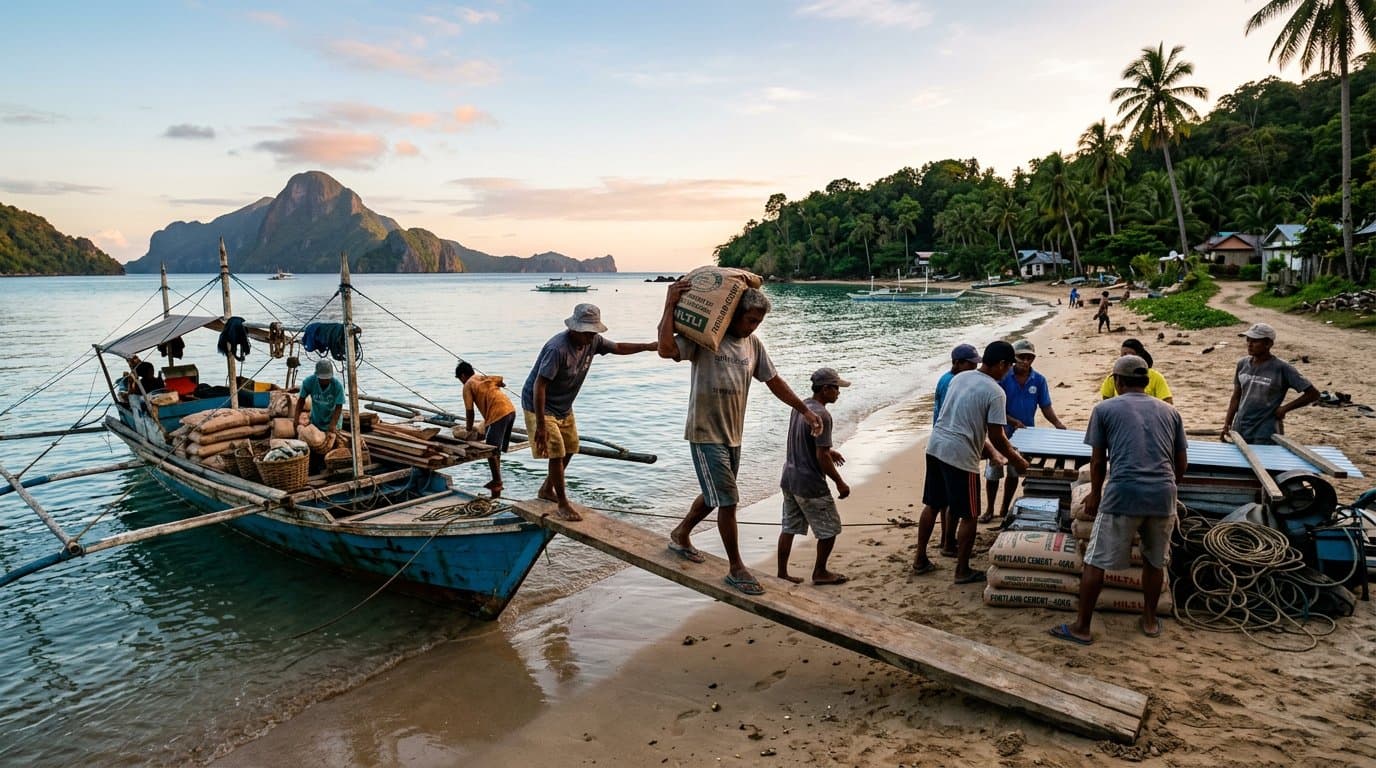
The site is forty minutes by boat from the nearest town with a hardware store, and there is no road. There’s a footpath over the ridge that locals use in the dry season, and there’s the sea. That’s it. So everything — 1,400 bags of cement, 36 solar panels, a 48 kWh battery bank, two tonnes of rebar, the crew, their rice — came in by bangka.
People hear “no road” and think it’s a romantic detail. It isn’t. It’s the single variable that controls everything else: what you can build, when you can build it, what it costs, and who you can hire.
§The tide is the project manager
Our landing beach is only usable for about three hours either side of high tide. At low tide, 200 metres of reef flat stand between the boat and the sand. So the logistics calendar isn’t set by us. It’s set by the tide table — and by the wind. From June to October the habagat makes the approach rough most afternoons, so heavy runs happen between November and May and every monsoon-season delivery is treated as optional.
- 05:40Loaded at the pier: 80 bags of cement, 12 panels, 6 lengths of 2-inch GI pipe.
- 06:15Departed. Swell half a metre to a metre. Fine.
- 07:02Arrived on high water. Crew of nine unloading by hand along the plank.
- 08:30Last bags up the beach. Three bags wet — used for footings the same day.
- 09:10Tide turning. Boat out before the reef flat drains.
§What “no road” actually costs
Landed on site, materials cost us roughly 35–40% more than the same items in town. Not because of fuel — because of handling. Every item gets touched six or seven times: truck to pier, pier to boat, boat to plank, plank to beach, beach to stockpile, stockpile to the build. Breakage and water damage are budget lines, not accidents.
- Cement: bought in batches of 80 bags, maximum. That’s what one boat carries without sitting dangerously low.
- Solar panels: two people per panel, never stacked on deck. We lost one to a wave on run four.
- Steel: cut to length in town. Nothing longer than six metres goes on the boat.
- Water: never shipped. Rain catchment went in before the first roof was finished.
“No road means you design for what two people can carry up a beach at 7 a.m. That constraint made the buildings better.”
§Design follows logistics
We stopped designing on paper and started designing around the boat. Modular timber frames in four-metre lengths. Bamboo from the next cove over. Roof pitches steep enough to shed a typhoon’s worth of rain straight into the tanks. The architecture looks “organic”, but most of it is just an honest answer to one question: how does this get here?
Next dispatch: the water system — why the tanks went in before the villas, and what happened the first time the pump failed with guests on site.
More stories
All stories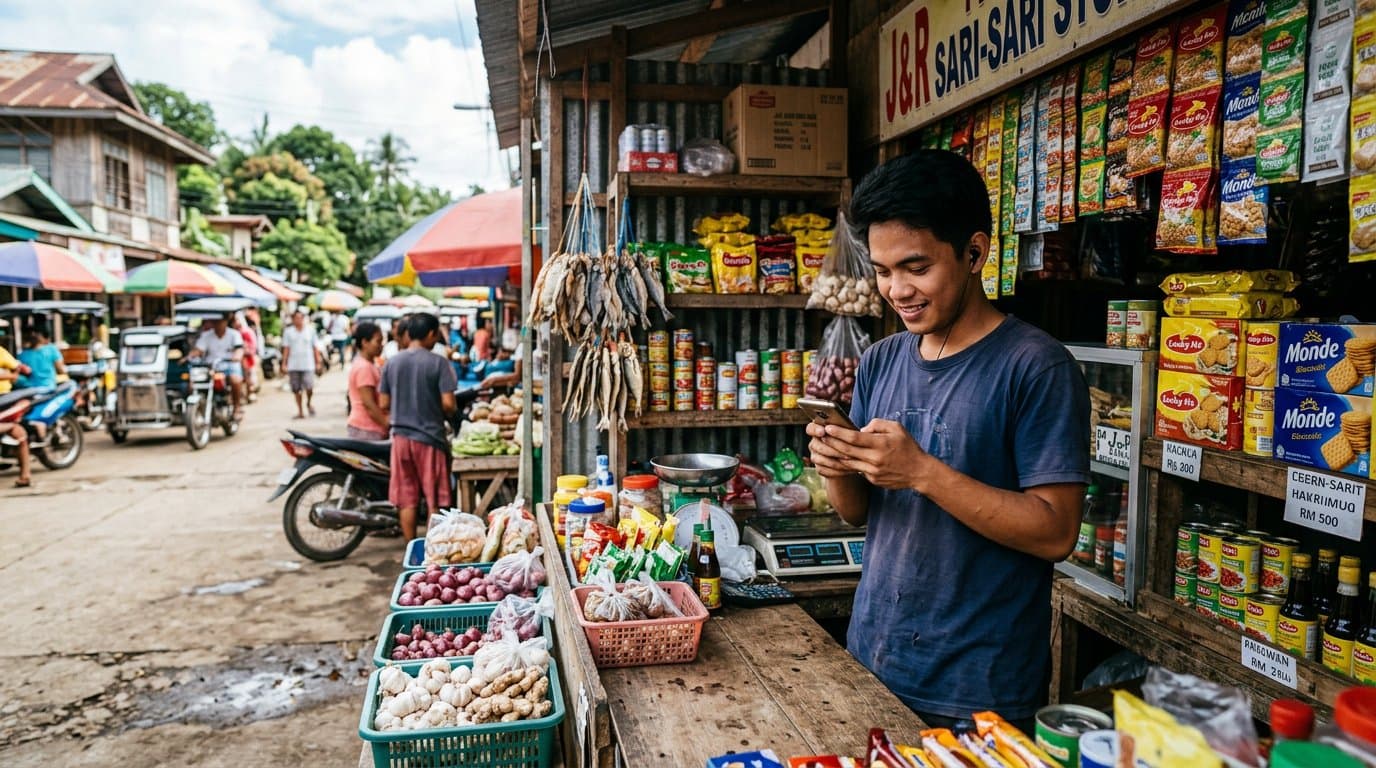
No. 046Automation
Why Local Businesses Fail with Tech (and How We Fix It)
It’s almost never the software. It’s that nobody designed for a two-person business running on one shared Android phone and prepaid data.
8 min read · 20 Sept
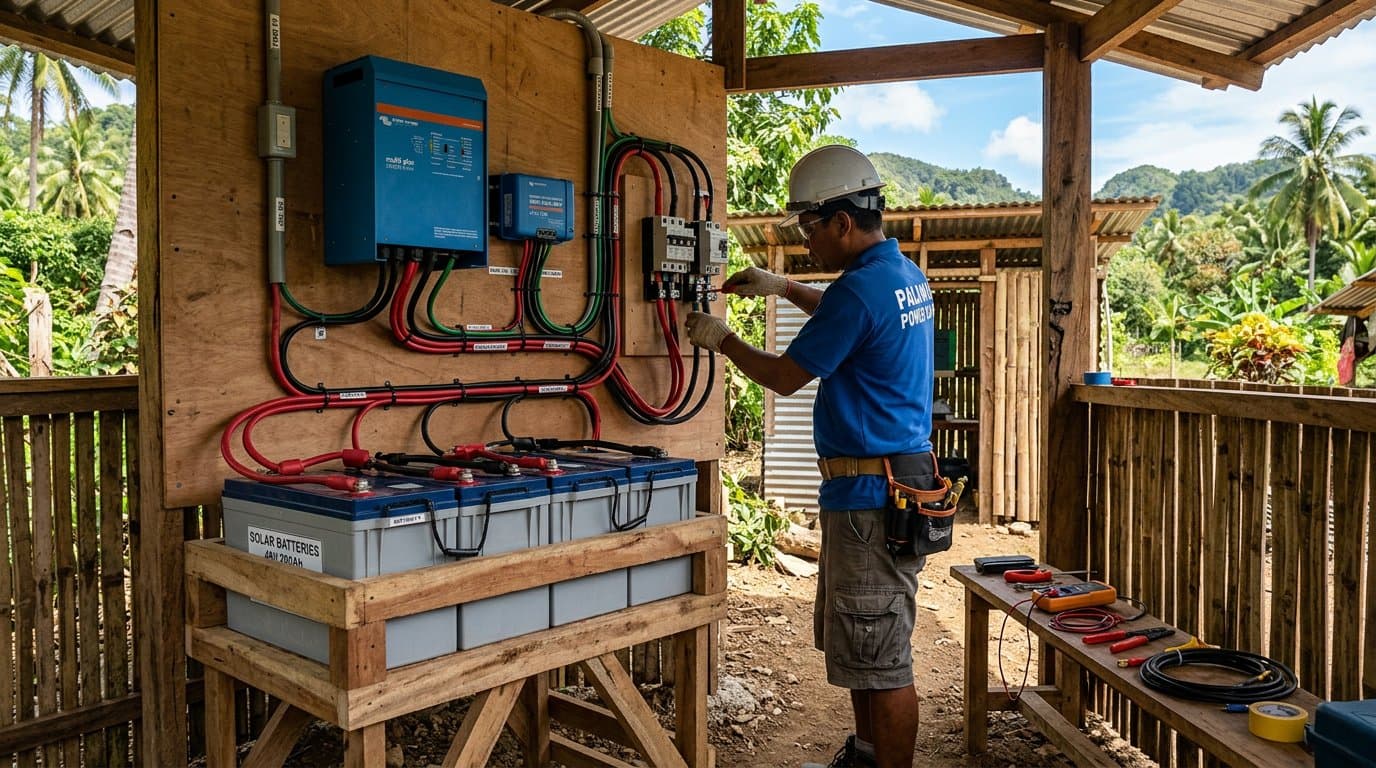
No. 045Infrastructure
What Actually Breaks When You Go Off-Grid
Not the solar panels. A running list of the failures that actually took us offline — and the boring fixes that kept us online after.
9 min read · 13 Sept
No. 044Agents
Deploying AI Agents in a Province with Unstable Internet
Our agents assume the connection will drop. Here’s the architecture that lets them queue, retry, and still hand every message to a human on time.
10 min read · 6 Sept